Ready to ditch outdated habits? Learn how connecting software, eliminating paper forms, and automating follow-ups can transform your daily workflows.

Ready to ditch outdated habits? Learn how connecting software, eliminating paper forms, and automating follow-ups can transform your daily workflows.
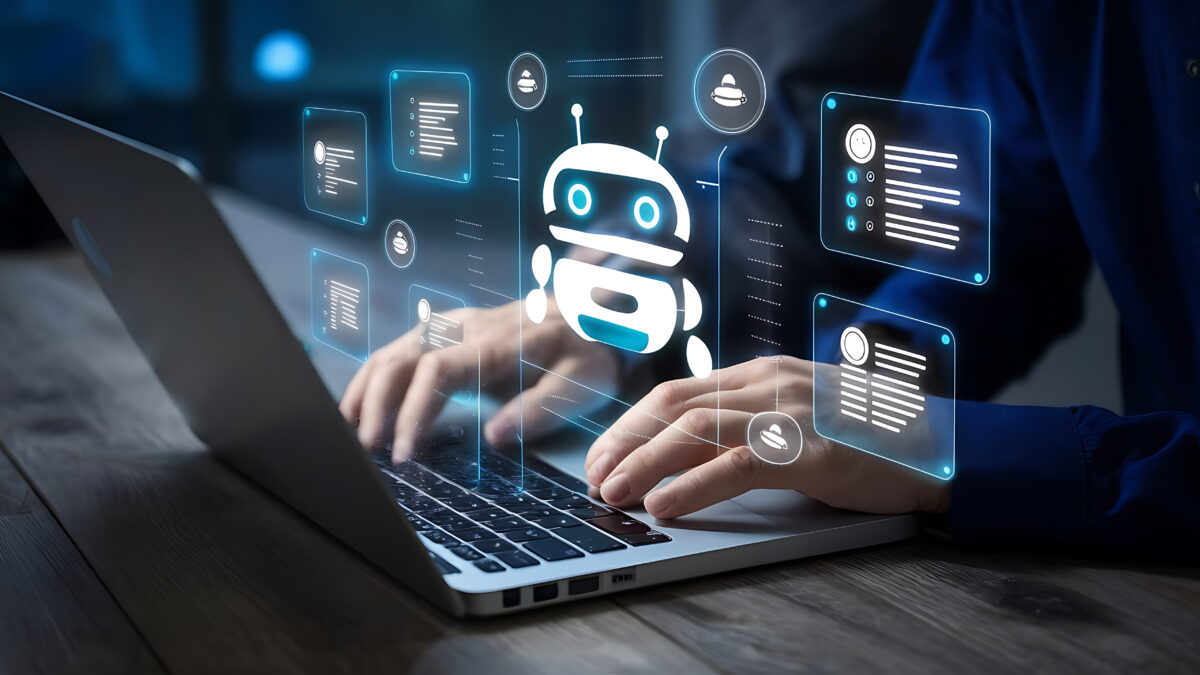
Turn your website into a 24/7 sales engine with AI. Instantly answer visitor questions, capture qualified leads, and book calls… even after business hours.
Manual data entry drains your payroll and stalls growth. Discover how to eliminate human error and automate your repetitive workflows.
Basic contact forms are no longer enough to keep visitors engaged. Discover how AI website agents reduce bounce rates and boost conversions.

Say goodbye to clunky portals. See how our switch to Phin Security makes cybersecurity awareness training fast, effective, and hassle-free for your team.

Learn essential international travel security tips to protect your devices, avoid public Wi-Fi traps, and keep business data safe abroad.

Many business owners assume their infrastructure is completely fine because everything seems to be running smoothly on a daily basis.

Cybercriminals and fraudsters often take advantage of major events and public enthusiasm to create convincing scams.

Most businesses have a disaster recovery plan. Fewer actually test it. And that’s where the risk comes in.

There’s a growing problem that many businesses don’t see coming. Employees are putting sensitive data into AI tools, without realizing the risk.