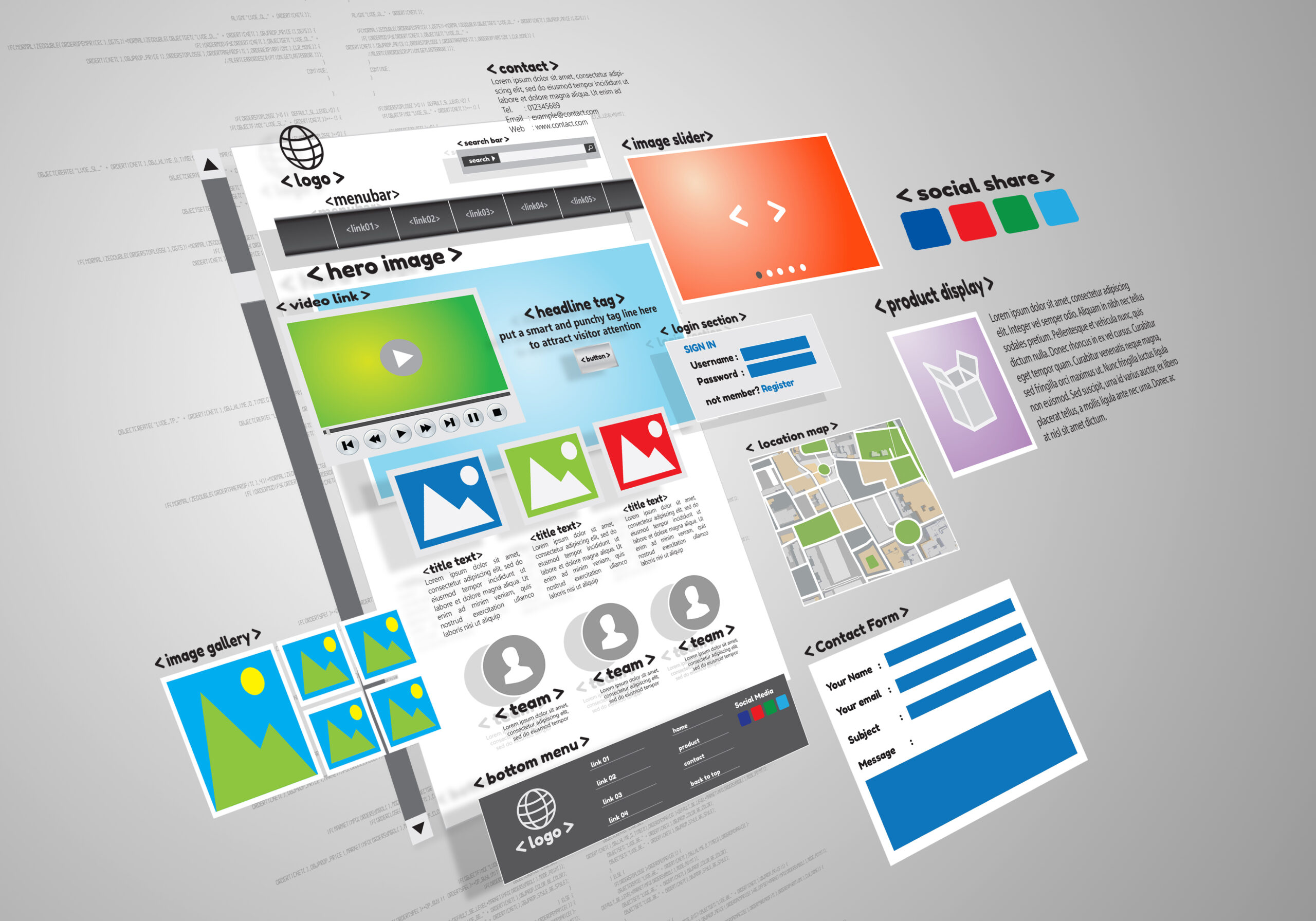
What Your Outdated Website is Secretly Costing You
Because it serves as your digital front door, an outdated website could be quietly harming your brand without you knowing.

Because it serves as your digital front door, an outdated website could be quietly harming your brand without you knowing.

While most executives assume their networks are inherently safe from major catastrophes, a true operational crisis rarely comes with an advance warning.

Artificial intelligence can feel like an absolute gamechanger for a growing business until the generated results fail to hit the mark.

From tracking daily sales to cleaning up backend financial tasks, custom dashboards help leadership teams work smarter and faster.
Building an effective defensive shield involves avoiding the standard structural mistakes that leave many organizations exposed.
There’s a better way to introduce AI to your workforce. Building a structured strategy ensures your team achieves consistent results and avoids common mistakes.

Outdated security tools can get your cyber insurance claim instantly rejected. Discover how to avoid common policy traps.
Think your small business is too small to hack? Discover why cybercriminals target smaller companies and how Summit can protect your data.

Say goodbye to clunky portals. See how our switch to Phin Security makes cybersecurity awareness training fast, effective, and hassle-free for your team.

Learn essential international travel security tips to protect your devices, avoid public Wi-Fi traps, and keep business data safe abroad.

To stay safe, businesses must implement a multi-layered defensive strategy that protects both the technology and the people using it.

Stop treating cybersecurity like a fire extinguisher. Learn how proactive, layered defense prevents downtime and protects your bottom line.

The Department of War has announced the immediate suspension of CMMC Phase II requirements and launched a 60-day review of the program.

Upgrading to Windows 11 strengthens business security with advanced features like zero-trust architecture and hardware-based protection.
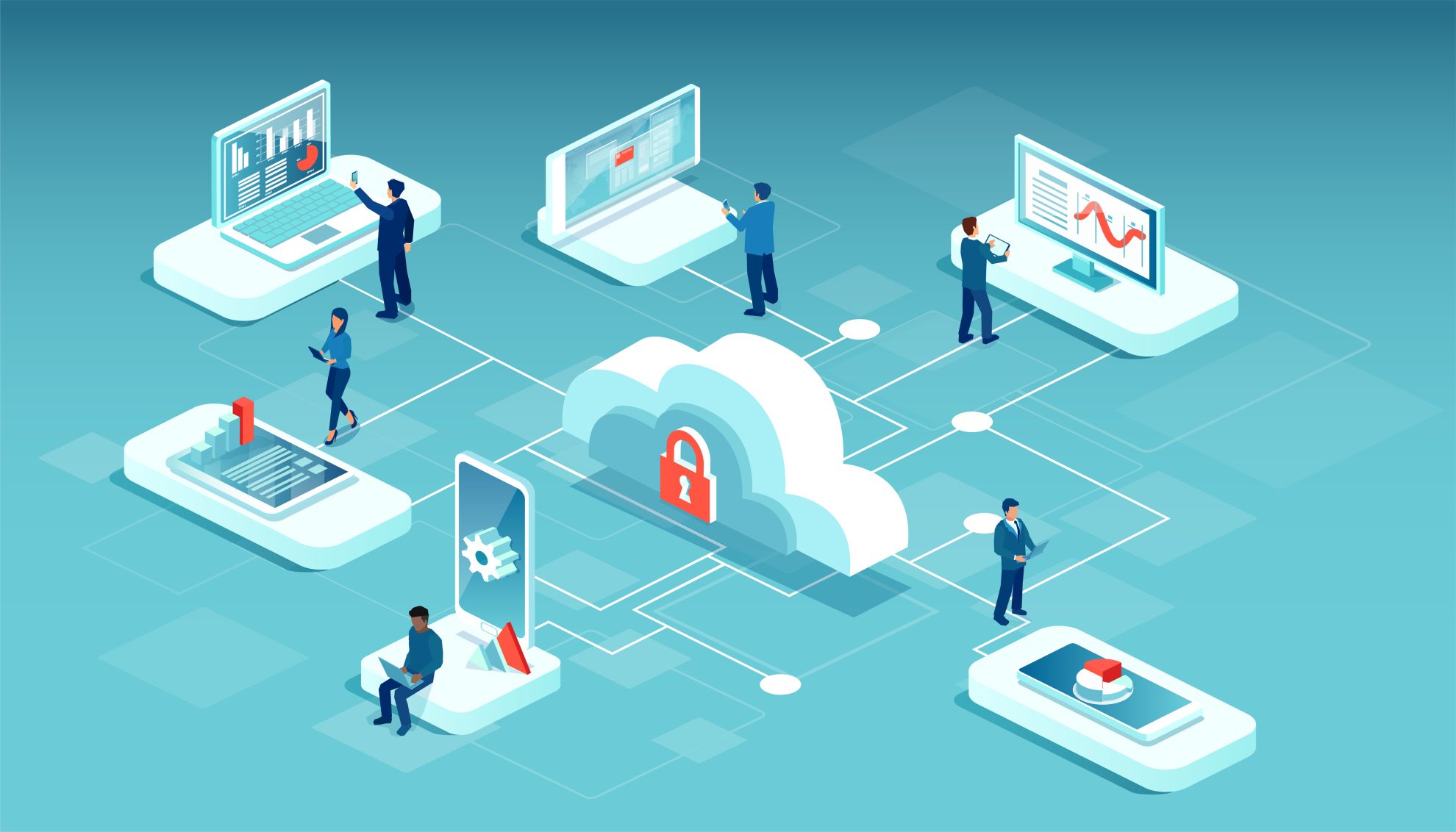
In today’s digital landscape, organizations face an ever-increasing number of cyber threats. With the average cost of breach remediation being over $1.45 Million, a successful

The Cybersecurity Maturity Model Certification (CMMC) 2.0 is a comprehensive framework that aims to protect the controlled unclassified information (CUI) of the Defense Industrial Base

Becoming compliant with Cybersecurity Maturity Model Certification (CMMC) is expected to become a requirement in March of 2024 for government contractors handling Federal Contract Information (FCI)
The Department of Defense’s CMMC program has taken a giant step ahead with the publication of the CMMC Proposed Rule on December 26th in the
Think your small business is too small to hack? Discover why cybercriminals target smaller companies and how Summit can protect your data.
Say goodbye to clunky portals. See how our switch to Phin Security makes cybersecurity awareness training fast, effective, and hassle-free for your team.

Learn essential international travel security tips to protect your devices, avoid public Wi-Fi traps, and keep business data safe abroad.

To stay safe, businesses must implement a multi-layered defensive strategy that protects both the technology and the people using it.

Stop treating cybersecurity like a fire extinguisher. Learn how proactive, layered defense prevents downtime and protects your bottom line.
When a cyber-attack strikes an unprepared organization, the consequences extend far beyond the IT department.

Manual data entry drains your payroll and stalls growth. Discover how to eliminate human error and automate your repetitive workflows.

Basic contact forms are no longer enough to keep visitors engaged. Discover how AI website agents reduce bounce rates and boost conversions.
Say goodbye to clunky portals. See how our switch to Phin Security makes cybersecurity awareness training fast, effective, and hassle-free for your team.
Learn essential international travel security tips to protect your devices, avoid public Wi-Fi traps, and keep business data safe abroad.
Many business owners assume their infrastructure is completely fine because everything seems to be running smoothly on a daily basis.

Cybercriminals and fraudsters often take advantage of major events and public enthusiasm to create convincing scams.