
5 Ways to Strengthen Your Cybersecurity (Without Overcomplicating It)
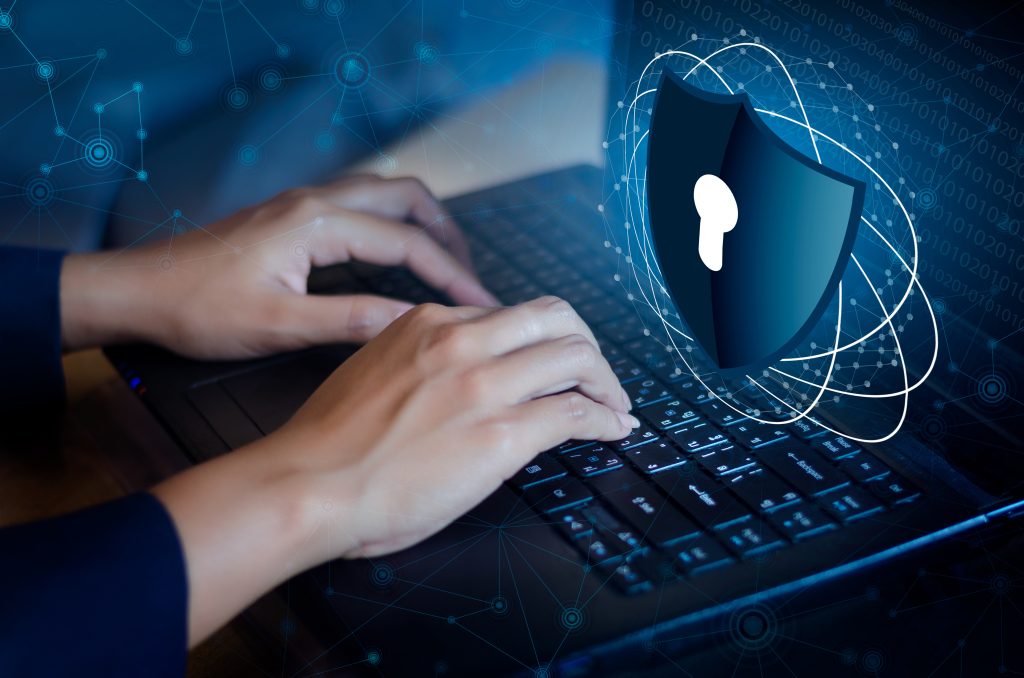
Complacency is one of the greatest risks facing modern business networks today. Assuming that your company is fully protected by standard antivirus software or basic employee passwords leaves you highly vulnerable to modern cyber threats. Hackers rarely try to brute-force their way through technical walls when they can easily exploit human behavior and unpatched software.
To keep your business safe, you must move beyond basic solutions. A strong defense requires a multi-layered strategy that protects both your digital infrastructure and the people who use it every day. Here are five practical ways to educate your team and upgrade your security posture.
1. Conduct Scheduled Security Assessments
A security assessment is a comprehensive review of your entire digital ecosystem. Just as a physical business inspects its locks and alarm systems, you must regularly check your network for weaknesses.
During a routine audit, I.T. professionals evaluate three primary areas:
- Cloud Configurations: Incorrect cloud storage settings can accidentally expose private company files to the public internet. Regular audits ensure that privacy settings remain secure.
- User Permissions: Employees often accumulate access rights they no longer need over time. Regular checks clean up outdated accounts and permissions.
- Hardware Health On-premises routers, servers, and firewalls age over time. Routine evaluations identify old equipment that can no longer support modern security features.
By scheduling these reviews every few months, you can discover and repair security gaps before cybercriminals exploit them.
2. Deploy Multi-Factor Authentication
Passwords alone are no longer enough to protect sensitive business accounts. Modern cybercriminals use automated software to test millions of stolen password combinations in seconds.
Multi-Factor Authentication (MFA) solves this problem by requiring two steps to verify an identity before granting access. This usually combines something you know, such as a password, with something you have, such as a smartphone app or a key.
When MFA is enabled, a hacker who steals a password still cannot log in because they do not have the user’s physical device. Adding MFA to all corporate accounts, especially email and cloud storage, blocks the vast majority of login attacks instantly.
3. Train Your Workplace Staff
Technology is only half of the cybersecurity equation. Attackers frequently target people using phishing, which involves sending fake emails disguised as trusted colleagues, banks, or vendors. These messages trick users into clicking dangerous links or revealing private passwords.
To build an effective defense, companies must invest in continuous employee training focused on three core areas:
- Phishing Simulations: Sending controlled, fake phishing emails to employees helps test their ability to recognize suspicious messages in real time.
- Email Verification: Teaching staff to inspect sender addresses, check links before clicking, and verify unexpected requests through a quick phone call prevents costly mistakes.
- Reporting Protocols: Establishing a simple, safe process for employees to report suspicious messages immediately helps the IT department respond quickly.
Regular education turns your workforce into an active line of defense.
4. Enforce Strict Access Controls
When a cybercriminal gains access to an employee account, their next goal is to move across the network into higher-level administrative systems to steal data or launch ransomware.
You can limit this danger by enforcing the Principle of Least Privilege. Under this rule, employees only receive access to the specific files and software necessary to do their daily jobs. For example, a marketing specialist does not need access to payroll records, and a sales representative does not need access to website source code.
By strictly limiting access rights, you isolate potential breaches. If an individual account is compromised, the attacker remains trapped in a small segment of your network rather than taking over the entire business.
5. Maintain Consistent Patch Cycles
Software developers constantly discover vulnerabilities in operating systems, web browsers, and business applications. When a flaw is found, developers release a fix called a software patch.
If your business delays installing these patches, your network remains exposed. Hackers actively scan the internet looking for companies running outdated software.
To keep your systems secure, establish a routine update process:
- Automate Updates: Turn on automatic updates for operating systems and standard software applications when possible.
- Prioritize Critical Fixes: Address high-risk security flaws rather than waiting for monthly maintenance windows.
- Update Third-Party Tools Remember that web browsers, PDF readers, and applications also require frequent updates.
Consistent patch management closes the main entry points cybercriminals rely on most.
Building a Resilient Defense
Cyber threats adapt constantly, which means your defensive strategy must stay active and practical. Strengthening your network does not require complex or expensive processes that disrupt daily business operations. By taking a clear, structured approach to user training, account access, and software maintenance, your company can build strong protection against modern attacks.