Backup vs. Business Continuity: Why SMBs Need Both
Most small and midsize businesses believe a backup solution is enough to protect them from downtime. But today’s threat landscape is evolving and relying on backups alone can leave major gaps. Let’s break down the difference between backup and business continuity, and why businesses need both to stay resilient.
What a Backup Actually Does
A backup is a copy of your data. That’s it.
Backups help restore files when something goes wrong, such as accidental deletion or system failure. They are an important part of any IT strategy but, they only address one piece of the puzzle.
Backups don’t answer bigger questions like:
- How long will our systems be unavailable?
- How will employees continue working during an outage?
- What happens if backups fail or become inaccessible?
- Who is responsible for recovery decisions?
- What does the recovery process actually look like?
On their own, backups don’t keep a business running.
What Business Continuity Adds
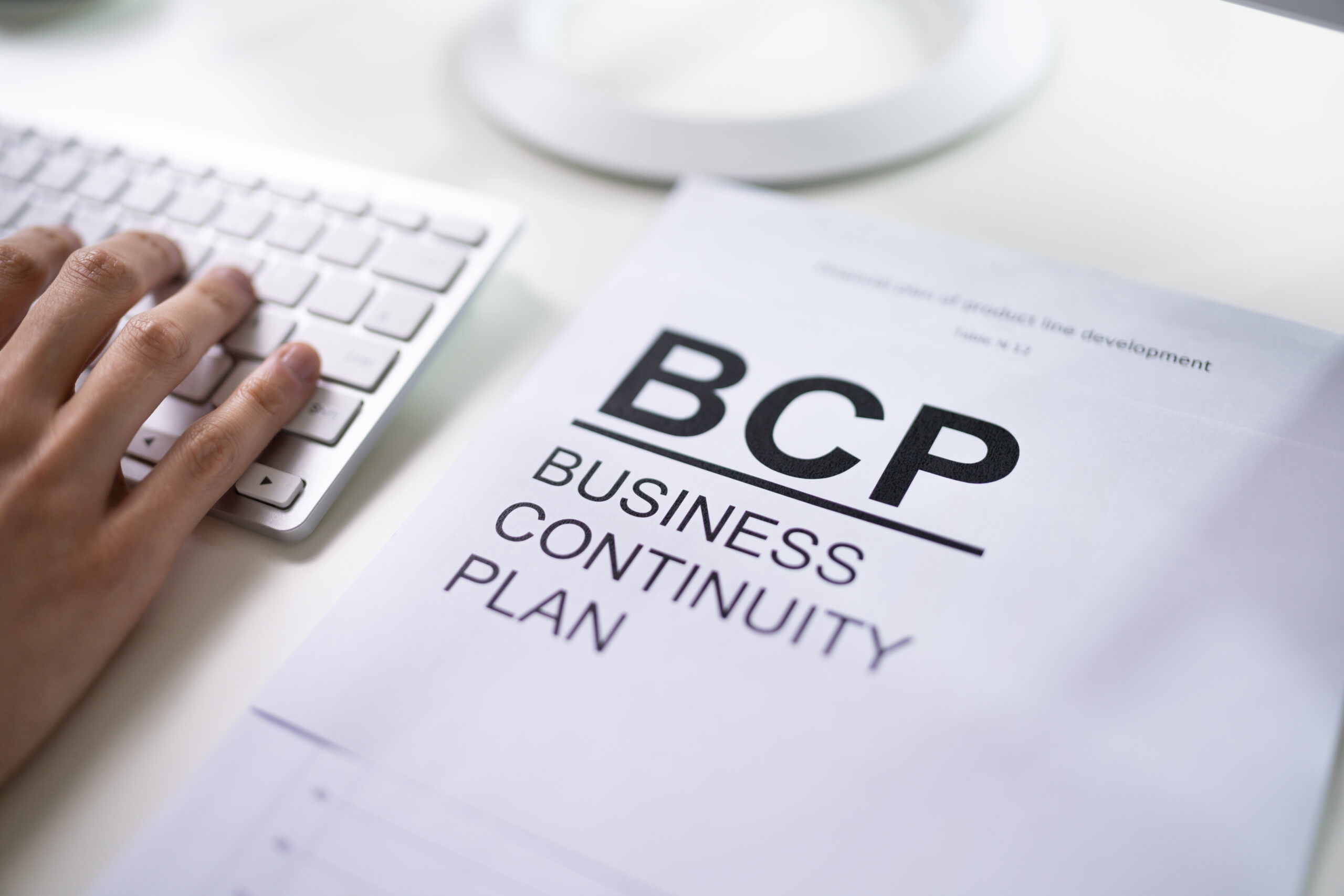
A true Business Continuity Plan (BCP) is a documented playbook that helps a business continue operating during a disruption, not just recover afterward. Business continuity planning focuses on people, processes, and priorities, not just technology.
A strong continuity plan outlines:
- How quickly systems and services must be restored
- How much data loss is acceptable
- Which business processes are most critical
- Clear roles and responsibilities during an incident
- Communication plans for employees and customers
- Step-by-step procedures for extended outages
This is where many SMBs struggle. Backups provide data recovery. Business continuity provides direction.
How Technology Supports Business Continuity
Technology plays a key role in supporting continuity but, only when it’s aligned with a clear plan.
Modern recovery tools can:
- Protect data from ransomware and corruption
- Restore systems quickly to reduce downtime
- Support both on-site and cloud-based recovery
- Help verify that backups are actually usable
However, technology alone doesn’t define recovery priorities, assign responsibilities, or guide decision-making during a crisis. Those elements must be documented and planned in advance.
Why SMBs Need Both in 2026
Downtime is expensive. Cyber threats are more sophisticated. Cloud and service outages are increasingly common. Today’s businesses need more than file copies. They need a clear continuity strategy that prepares teams to respond calmly and effectively when disruption occurs.
That’s why Summit helps organizations combine reliable recovery tools with business continuity planning expertise, ensuring policies, procedures, and documentation are in place before an incident happens.
Is Your Business Prepared for Disruption?
If your systems went down today, would your team know what to do?
Summit’s Business Continuity Planning services help organizations:
- Review existing processes and documentation
- Identify gaps in preparedness
- Clarify recovery priorities
- Build a practical, usable continuity foundation
Whether you’re refining existing plans or getting started for the first time, we’re here to help.